
Pain rarely has a single cause. Learn how chiropractic care, massage therapy, physical therapy, acupuncture, and neurofeedback can work together in one individualized plan at Allied Healthcare in Westminster, CO.
Questions after reading? Tell us how to reach you and our team will call you.
Prefer to talk? Call (303) 465-6332 · Book online
We never share your information. Please do not include medical details.
If you’re dealing with pain, injury, or impaired movement patterns, it’s natural to look for one treatment that will make everything feel better. And sometimes, a single approach to pain relief is just what you need. But in many cases, it’s a little more complicated than that.
There are a myriad of factors involved in the onset and persistence of discomfort. Pain can be related to muscles, joints, nerves, movement problems, postural imbalance, inflammation, emotional stress, previous injuries, and the way your body compensates for any of these.
Because there is likely more than one cause of pain at hand, an integrative approach to relief can be especially valuable.
At Allied Healthcare, our team offers chiropractic care, massage therapy, acupuncture, neurofeedback, and physical therapy. These specialties have both different and overlapping techniques, and they can complement each other when applied within an individualized treatment plan.
When it comes to musculoskeletal pain, several factors are likely present and interacting with one another.
Let’s say you have an irritated joint. This can cause the surrounding muscular tissues to tighten. Those muscles then restrict movement, leading other parts of your body to overcompensate. If these affected areas go untreated, altered movement patterns add further stress to the joints and soft tissues.
Likewise, it’s possible for an injury to heal structurally while strength, flexibility, and coordination remain impacted. And in some cases, emotional stress and nervous-system reactions may influence muscle tension and even the way the body experiences physical pain.
Treating the painful area and stopping there won’t address every contributor.
An advantage of integrative healthcare is the ability to approach conditions from more than one clinical perspective.

Chiropractic care focuses on the relationship between the spine, joints, movement, and the nervous system. A chiropractic adjustment can enhance joint mobility while addressing the mechanical restrictions that contribute to discomfort.

Massage therapy targets muscles and other soft tissues. It can be effective for addressing muscle tension, soreness, restricted mobility, and the effects of repetitive movements or chronic poor posture.

Physical therapy places an emphasis on movement, strength, flexibility, balance, coordination, and function. In addition to reducing discomfort, physical therapy helps restore the physical capacity and movement strategies your body needs to function at its best.

Acupuncture uses the careful placement of very thin needles at specific points on the body. It may be incorporated into a care plan for pain and various other conditions, providing another avenue for managing discomfort.
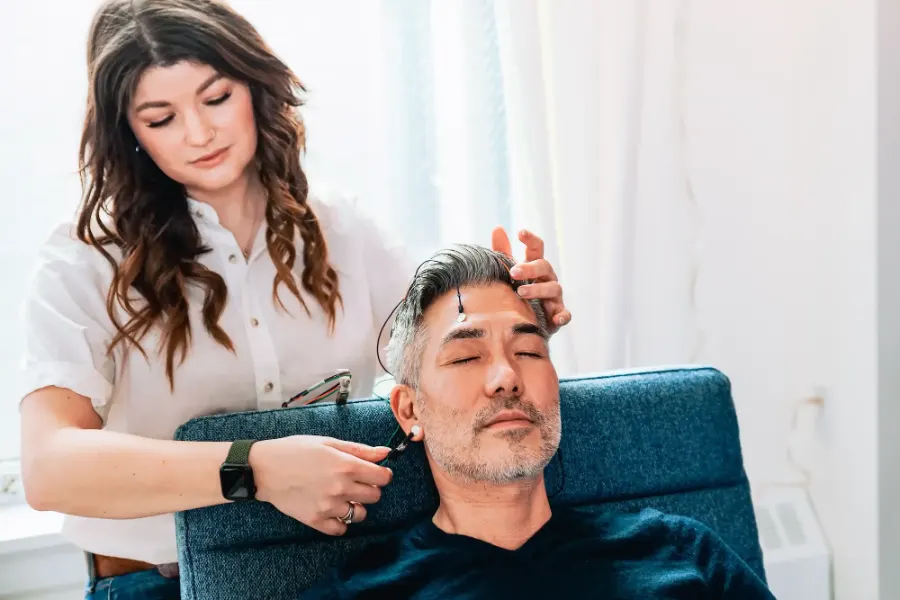
Neurofeedback takes a completely different approach through its work with brain activity and self-regulation. Depending on each person’s situation and treatment goals, this specialized type of biofeedback is used to support attention, relaxation, stress regulation, and nervous system function.
Here is an example: a client comes to the office with persistent neck and shoulder pain.
A chiropractor may start by addressing joint mobility in the cervical and thoracic spine. The massage therapist works to reduce muscle tension and soft tissue restrictions in the muscles that attach to those vertebrae. The physical therapist can identify weakness or suboptimal movement patterns in those areas that are contributing to unnecessary strain. Acupuncture may provide another method of symptom management by stimulating the nervous system and the release of pain-relieving chemicals. If chronic stress is also playing a role in pain recurrence, neurofeedback can help by teaching the brain how to self-regulate.
It’s worth noting that not every person is going to need every service. In fact, the most effective integrative care isn’t about adding more treatments just because they’re available. It’s about finding which approaches are best for you and how to combine them to work toward your goals.
One of the most important principles of integrative health is recognizing that two people with the exact same diagnosis may not share the same contributing factors or risks.
A marathon runner with knee pain might need a very different care strategy from someone whose knee pain developed after long periods of sitting. A migraine sufferer can have different influencing factors than someone experiencing headaches after a direct injury. Therapy after a hip replacement won’t look the same as the plan for hip bursitis.
A comprehensive evaluation will help determine what may be causing your symptoms and which types of care are appropriate.
Pain management doesn’t have to be about finding the one treatment that works fastest. It can mean creating a plan that addresses symptoms while also improving mobility, strength, function, and overall well-being.
Integrative healthcare looks beyond the area of concern and considers how different aspects of your health interact.
At Allied Healthcare, chiropractic care, medical massage therapy, acupuncture, neurofeedback, and physical therapy each bring their own perspective to patient-centered care. When appropriate, combining these services creates a more complete approach tailored to the needs and goals of each client.
Not sure where to start? Request a free consultation, call us at (303) 465-6332, or BOOK NOW. Our team will help you find the right combination of care for your goals.
Written by Katrina Jenkins, LMT. Photos: Allied Healthcare.
This article is for general education and is not a substitute for medical advice. Every patient is different. Please talk with one of our providers about your own symptoms and goals before starting any treatment.
Have a question this article didn't answer? Our team will listen, explain your options and help you choose the right care for your goals.


